Embarking on a do-it-yourself home improvement task brings a unique blend of excitement, creative freedom, and hands-on satisfaction. Whether you are tackling a minor room makeover, re-landscaping a sprawling backyard, or attempting a major structural renovation, your ultimate success hinges largely on the quality, reliability, and cost-effectiveness of the materials and tools you acquire. Sourcing these items efficiently requires moving beyond impulsive trips to the nearest store and developing a strategic mindset. By exploring diverse suppliers, evaluating trade-offs between purchasing and temporary use, and knowing where to secure specialized components, you can elevate the standard of your work while keeping your finances firmly in check.
Understanding the complex landscape of retail, commercial, and secondary supply networks empowers home improvers to make smarter purchasing choices. The key is to match the specific needs of your project with the appropriate supplier channel. High-durability structural projects demand commercial-grade inputs, whereas decorative updates might allow for budget-friendly salvaged or surplus items. By broadening your sourcing repertoire, you reduce project delays, secure superior resources, and gain access to industrial-grade tools that bring professional efficiency to your personal home endeavor.
Tapping Into Big-Box Retailers and Local Outlets

Maximizing the Value of National Home Centers
Large retail centers offer unprecedented convenience for general building endeavors, serving as one-stop destinations for lumber, hardware, fasteners, paint, and basic power tools. To maximize your value at these venues, take advantage of bulk pricing discounts, pro-desk services, and regional loyalty reward programs. Timing your purchases around holiday sales events or seasonal inventory clearances can yield substantial savings on essential items. Additionally, these stores frequently provide regional inventory tracking online, allowing you to confirm product availability across multiple nearby branches before driving out to pick up your supplies.
Supporting Local Hardware and Specialized Neighborhood Stores
Independent neighborhood hardware shops remain an invaluable asset for specialized advice, rare hardware pieces, and tailored customer support. While their overall inventory may be smaller than national chains, independent shop owners often curate high-quality products suited specifically to the local climate, soil types, and regional architectural styles. Building an ongoing rapport with local merchants can open doors to custom ordering options, expert troubleshooting tips, and valuable insights regarding regional building codes. These stores are also excellent for finding specialized tools and niche fittings that larger outlets frequently omit from their standard inventory.
Securing Heavy Materials for Outdoor and Landscape Upgrades
Sourcing Bulk Stone and Aggregates for Hardscaping
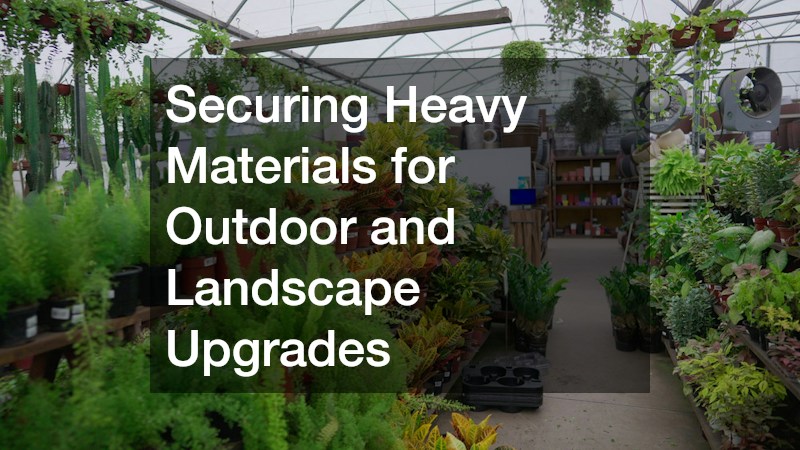
When planning major backyard re-landscaping, driveway installations, or decorative drainage pathways, purchasing materials in bags from standard retail centers quickly becomes cost-prohibitive. Turning to specialized quarries or commercial bulk suppliers provides access to a vast selection of stone, sand, and aggregate materials at wholesale rates. Finding reliable suppliers that offer gravel for sale by the ton or cubic yard can drastically reduce your material spend. These suppliers generally deliver directly to your driveway, saving you dozens of grueling trips and preserving your personal vehicle from excessive wear and tear.
Elevating Garden Aesthetics with Decorative Elements
Incorporate natural visual elements into your garden beds, water features, and retaining walls by seeking out landscape supply yards that stock regional stone varieties. Sourcing natural river rocks directly from bulk yards gives you access to a broader assortment of sizes, textures, and color profiles than pre-packaged alternatives offer. Beyond aesthetics, using raw stone elements helps with erosion control and moisture retention around your plantings. Combining these hardscaping elements with vibrant soil mixtures and specialized plant food sourced from local vendors ensures your outdoor living space stays healthy, visually striking, and structurally sound for years to come.
Equipping Your Toolkit for Lawn and Garden Maintenance
Maintaining the pristine appearance of your new landscape requires a steady rotation of functional outdoor machinery and turf care products. Securing reliable yard supplies from dedicated agricultural dealers or power equipment outlets ensures you receive commercial-grade durability rather than light-duty residential builds. When ongoing maintenance issues arise with your small engine gear, knowing how to handle basic lawn mower repair or where to source OEM mechanical components saves significant money over time. Maintaining clean fuel lines, fresh spark plugs, and sharp blades ensures your turf tools perform reliably across every season.
Accessing Commercial-Grade Resources and Wholesale Distributors
Navigating Professional Supply Yards for Superior Quality
For serious structural modifications, heavy framing, electrical updates, or advanced plumbing installs, standard consumer outlets may not provide the professional durability you require. Visiting dedicated contractor supply stores opens access to high-capacity hardware, heavy-duty building components, and specialized trade tools used by licensed professionals. These facilities stock higher grades of lumber, heavy-gauge wiring, and trade-grade adhesives that perform better over time. Additionally, the sales staff at these professional centers possess deep technical knowledge and can provide advice on code compliance and installation best practices.
Exploring Surplus, Salvage, and Reclaimed Material Yards
Architectural salvage yards, Habitat for Humanity ReStores, and commercial liquidators are goldmines for unique, budget-friendly building elements. These venues often feature reclaimed hardwood flooring, antique doors, vintage light fixtures, and unused surplus building stock at fractions of retail prices. Sourcing pre-owned or reclaimed materials adds distinct character to your home projects while supporting environmental sustainability through material reuse. Inspect salvaged items carefully for structural integrity, hidden fasteners, or previous water damage before incorporating them into your primary living spaces.
Utilizing Rental Solutions for High-Performance Equipment
Determining When to Rent Instead of Buying
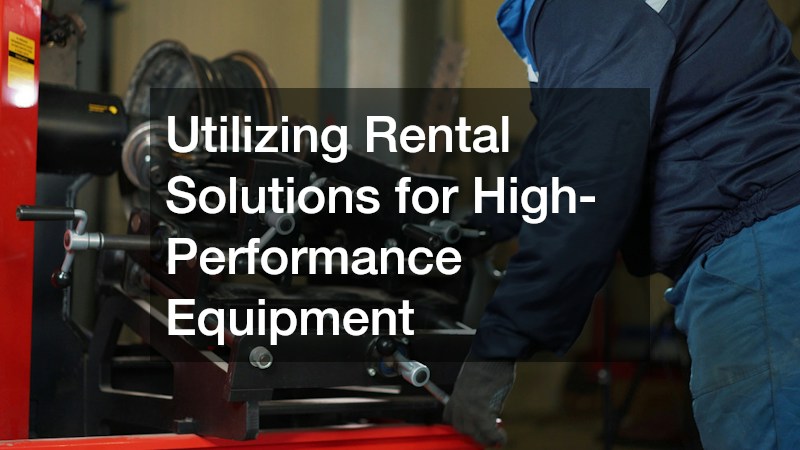
Certain home improvement projects require heavy machinery, specialized diagnostic devices, or single-use power tools that make outright purchase practical or financially unwise. Utilizing regional equipment rentals gives you access to heavy-duty machinery like skid steers, floor sanders, and concrete breakers without the burden of long-term storage, high initial outlay, or routine mechanical upkeep. Renting enables you to utilize top-tier, commercial-grade machinery engineered to complete demanding tasks rapidly and safely.
Leveraging High-Pressure Cleaning Units for Surface Prep
Thorough surface cleaning is a critical yet often overlooked step before painting, sealing decks, or laying down new outdoor masonry. Finding an effective pressure washer for sale might make sense if you plan on routine seasonal cleaning, but high-output commercial gas models are often best secured through temporary hire. A powerful washer quickly removes stubborn grime, failing paint layers, mildew, and deeply embedded dirt from concrete, wood, and brick surfaces. Proper preparation through high-pressure washing guarantees superior adhesion for fresh stains, sealants, and exterior paints.
Efficient Waste Management Solutions for Major Renovations
Demolition work, roofing teardowns, and extensive yard clearances produce substantial waste that easily overwhelms standard residential trash collection services. Renting a dedicated dumpster rental provides a centralized, safe, and efficient mechanism for keeping your job site organized and hazard-free. Disposal companies deliver the container to your specified site and handle the hauling and tipping processes once filled. Select the appropriate container volume based on your debris type, ensuring you comply with weight restrictions for heavy materials like concrete, plaster, and dense soil.
Utilizing Specialized Machinery for Automotive and HVAC Projects
Advanced projects involving automotive maintenance, refrigeration systems, or wood stabilization require highly specialized mechanical gear. When performing service on air conditioning units or conducting resin casting work, searching for vacuum pumps for sale online or through technical supply houses provides access to essential pressure-testing tools. Utilizing high-performance pumps ensures system lines are completely purged of moisture and air contaminants prior to charging or sealing. Investing in or renting correctly rated technical apparatus protects sensitive components and guarantees professional-level outcome accuracy.
Innovating Space with Modular Structural Units
Modern DIY enthusiasts are increasingly turning to modular steel structures for secure job-site storage, specialized workshops, or unconventional living expansions. Locating a sturdy, affordable shipping container opens up exciting possibilities for weather-tight storage solutions or customized outbuilding conversions. These robust steel structures offer exceptional security for valuable tools and materials during long-term building endeavors. Once retrofitted with proper insulation, windows, and ventilation, steel containers transform into durable studio spaces, garden offices, or secure tool sheds right on your property.
Leveraging Digital Platforms, Online Marketplaces, and Surplus Outlets
Sourcing Hard-To-Find Parts on E-Commerce Platforms
The internet has fundamentally changed how independent builders locate specialty hardware, niche tools, and obsolete replacement components. Online auction sites, direct manufacturer storefronts, and specialized web retailers allow you to search global inventories from the comfort of your home. Online shopping is particularly useful when hunting down rare replacement components, custom cabinet hardware, or specialized electrical fittings unavailable in local physical stores. Always review seller ratings, product dimensions, and return terms to ensure the items match your technical project specifications.
Finding Local Deals via Peer-to-Peer Marketplaces
Digital community bulletin boards, social media marketplaces, and local neighborhood swap groups offer incredible opportunities to find unused building supplies at rock-bottom prices. Neighbors frequently sell leftover tiles, unused gallons of paint, extra drywall sheets, and excess lumber following the completion of their own renovations. Furthermore, peer platforms are excellent places to pick up gently used power tools, ladders, and safety gear from individuals offloading items after a single project. Exercising due diligence, inspecting items in person, and testing power tools before payment guarantees safe and successful purchases.
Browsing Industrial Auction Sites for Heavy Hardware
Commercial liquidation sales and government auction websites serve as fantastic sourcing avenues for serious builders seeking professional machinery at steep discounts. When construction firms downsize or upgrade their fleets, surplus tools, heavy-duty generators, workbenches, and hardware lots go up for public bidding. Participating in these online auctions demands careful attention to listing descriptions, buyer premium fees, and transportation requirements, but the potential savings on high-end commercial apparatus are unmatched.
Strategizing Purchases for Optimal Budget Control
Estimating Quantities and Overage Rates Accurately
One of the most frequent mistakes made by home improvers is miscalculating necessary material volumes, leading either to costly extra transport trips or non-returnable waste. Calculate square footage precisely, adding a standard ten to fifteen percent overage margin to accommodate cutting waste, material defects, and minor measuring errors. Bulk purchases often qualify for volume tier discounts, so consolidating your order into a single delivery minimizes freight fees and secures lower unit costs. Keep all receipts and preserve original packaging so unconsumed, standard-stock items can be returned without hassle.
Managing Transportation and On-Site Storage
Getting heavy, bulky, or weather-sensitive materials safely from the supplier to your work area requires careful logistical planning. If your personal vehicle lacks the towing capacity or bed space for large loads, evaluate flatbed truck rentals offered by home centers or hire local haulers. Once materials arrive on-site, stage them in a clean, level, and dry environment. Protect framing lumber, drywall, and bagged cement products off the bare ground using wooden pallets and heavy-duty water-resistant tarps to prevent moisture ruin prior to installation.
Timing Purchases to Align with Sales Cycles
Smart sourcing involves understanding the seasonal retail rhythms of the home improvement industry. Major holidays frequently feature deep promotional pricing on power tools, outdoor equipment, and hardware. End-of-season transitions offer prime windows for purchasing outdoor building supplies, deck stains, and patio materials at clearance prices. By mapping out your project timeline months in advance, you can strategically acquire tools and materials during these promotional periods, drastically reducing your total project expenditures.
Prioritizing Safety, Compliance, and Long-Term Quality
Selecting Certified Materials for Structural Safety
Never compromise on structural integrity or fire safety simply to shave a few dollars off your project budget. Always ensure load-bearing lumber, electrical wiring, plumbing pipes, and insulation products comply with local building codes and carry recognized safety certifications. Inspect structural timber for excessive warping, split grain, or severe knotting that could compromise strength. Utilizing properly rated materials guarantees that your finished renovation remains safe, secure, and fully compliant with local housing standards.
Investing in Essential Personal Protective Equipment
High-quality building materials and top-tier power equipment are useless if you fail to protect your personal safety during execution. Allocate a dedicated portion of your project budget to comfortable, high-grade personal protective gear, including eye protection, heavy-duty respirators, hearing protection, and steel-toe footwear. Working with proper safety gear reduces fatigue, prevents accidental injuries, and allows you to focus on delivering high-precision craftsmanship across every phase of your project.
Bringing It All Together for Project Success
Mastering the art of material and tool acquisition transforms home improvement from a stressful chore into a highly rewarding creative journey. By combining national retail conveniences with specialized trade houses, equipment rental hubs, and local surplus finds, you create a robust sourcing pipeline that serves every project need. Taking time to plan material quantities, inspect prospective purchases, and time your buys around seasonal discount cycles ensures your budget stretches as far as possible without sacrificing quality.
As you step into your next home improvement project, approach the sourcing phase with the same attention to detail that you apply to design and execution. Building strong connections with local merchants, exploring peer-to-peer marketplaces, and employing specialized rental gear for heavy tasks empower you to work smarter, safer, and with greater efficiency. Armed with the proper tools and exceptional materials, you are fully prepared to turn your architectural and landscaping ideas into durable, beautiful realities.