Can I Do Roof Repairs Myself?
Introduction
This section provides an overview of the considerations and challenges involved in undertaking roof repair projects on your own.
1. Is it Safe to Perform Roof Repairs Without Professional Help?
When considering a DIY approach to roof repairs, safety is an essential factor to prioritize. Roof work often involves heights, steep angles, and potentially slippery surfaces, increasing the risk of accidents.
Without proper precautions, there’s a real danger of falls or other injuries. However, with the right safety equipment and measures in place, it’s possible to reduce these risks significantly. Understanding how to use ladders correctly and ensuring they are on stable ground is paramount.
Safety equipment for roof work is crucial to protect against possible mishaps. Harnesses, non-slip footwear, and helmets are among the basic gear you should acquire prior to starting any repairs. Additionally, having a buddy system, where someone else is around to assist or call for help if needed, increases safety considerably. Moreover, set up barriers and signs when the work area might pose a danger to others. Always check weather conditions beforehand, as wind and rain make roof repairs dangerous.
Recognizing your physical limits is critical; if a task feels unsafe, it might be worth reconsidering your method or seeking professional help. Not everyone is comfortable working at heights, and that’s okay. Hiring a professional does not detract from your capabilities but rather ensures the task is completed safely and efficiently. In situations where your well-being might be compromised, engaging a skilled roofer can be a better option. Be aware that professionals have the training and experience to handle unexpected issues that may arise during repairs.
2. What Skills Are Required for DIY Roof Repairs?
Understanding roof structures is the first step in learning how to repair your roof. Roofs are complex systems composed of beams, rafters, and layers that must be accurately assessed before any repair work begins. Familiarizing yourself with terms like decking, flashing, and vent stacks can help you identify issues more effectively. Roof structures can vary significantly from one house to another, requiring adaptability and a keen eye for details. Good preparation involves reviewing roofing diagrams and potentially consulting with professionals beforehand.
The right skills involve being able to use basic roofing tools safely and effectively. Essential tools for roof repair include hammers, utility knives, roofing nails, and tar. Utilizing tools such as caulking guns for sealing ensures durability and prevents leaks. Remember that each tool has a specific purpose and should be used accordingly. Regular maintenance of your tools will ensure they function properly and provide the best results during your repair tasks.
There is a plethora of learning resources available online, ranging from how-to videos to comprehensive guides on different roof types. Identifying common roof problems like leaks, damaged shingles, or punctures can enhance your repair strategy. Performing an assessment of your roof allows you to gauge the complexity of the issues and whether they require a more experienced hand. You can learn various repair techniques via online tutorials, which often offer step-by-step instructions to help you along the way. Invest time in educating yourself to gain confidence in executing roof repairs on your own.
3. What Materials Will I Need for Roof Repair?
Choosing the right materials for roof repair is a crucial step in ensuring the longevity and reliability of your work. Roofing materials range from asphalt shingles to metal panels and tiles, each with unique properties and installation methods. Understanding the advantages and limitations of each material can influence your selection. For instance, asphalt shingles are a popular choice due to their cost-effectiveness and ease of installation. Conversely, metal roofing may provide longer durability and is ideal for specific climates.
Consider the trade-off between quality and cost when purchasing materials. While it may be tempting to opt for the least expensive options, poor quality materials can lead to more frequent repairs over time. Investing in higher-grade products usually results in a more robust and longer-lasting roof. It is also important to purchase the correct quantities to avoid interruptions during your repair project. Calculate the area that needs repair carefully and always buy a little extra to cover any mistakes or future needs.
Exploring alternative materials and eco-friendly options can provide additional benefits. Green materials not only support environmental sustainability but can also improve home energy efficiency. Research various suppliers and retailers to identify those offering innovative materials that meet modern eco-friendly standards. Reach out to local suppliers who might provide insights into regional preferences and deals. Furthermore, review customer feedback to ensure the quality and reliability of your chosen suppliers.
4. What Are the Common Mistakes to Avoid in DIY Roof Repairs?
A successful roof repair starts with a thorough pre-repair inspection. Skipping this step can result in overlooking hidden damage or causes of leaks, leading to incomplete fixes. Carefully walk the roof to inspect areas and use binoculars to assess hard-to-reach areas. Note down every visible issue, no matter how small, for a comprehensive repair plan. Understanding the current state of your roof is vital for carrying out effective repairs and anticipating future issues.
Another common mistake is using incorrect materials, which can compromise the integrity of the roof. Ensure that you choose materials compatible with your roof type and climate conditions. Misusing substances like sealants can also lead to ineffective repairs. Following manufacturer instructions and industry guidelines ensures the appropriate application and longevity of the repair work. Consulting with a professional for material selection advice can prevent costly errors.
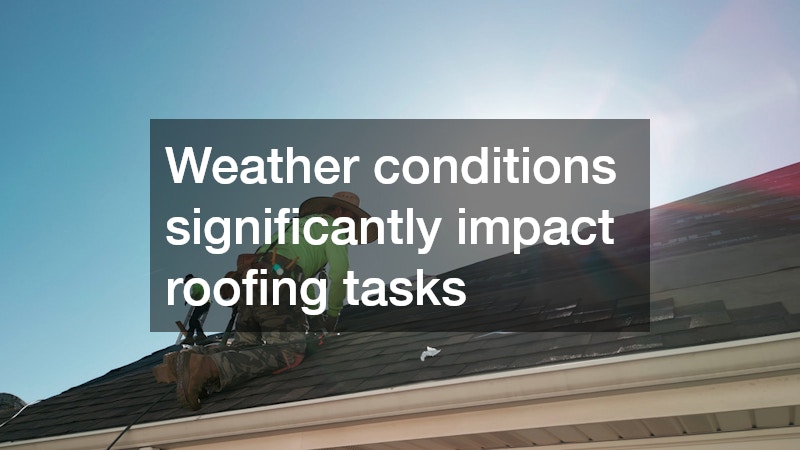
Weather conditions significantly impact roofing tasks; ignoring them can lead to failed repairs or even injury. Repairing a roof during extreme weather increases the chance of accidents and may damage materials. Always plan your work around favorable weather, like calm, dry days. Storing materials appropriately to protect them from exposure before use can prevent degradation. Keep an eye on the forecast through reliable sources to avoid unexpected disruptions.
5. How Do I Identify When My Roof Needs Professional Repair?
Serious roof damage often signals the need for professional intervention. Visible issues like sagging, large holes, or widespread water damage require specialized skills to correct. Professional roofing services can provide detailed inspections using advanced technology to identify non-visible structural issues. Delaying professional repairs can exacerbate the damage, leading to costly renovations. It’s crucial to acknowledge early signs and avoid patchwork solutions that only serve as temporary fixes.
Assessing the cost of DIY versus hiring a professional is essential in decision-making. Often, the perceived lower cost of DIY can be deceptive when you consider potential errors and future repairs. On the other hand, professionals ensure quality results, backed by warranties and experts’ assurance on their workmanship. Review estimates from multiple contractors for a comprehensive understanding of professional costs. Compare these with the projected expenses of time, materials, and potential risks of a DIY approach.
The implications of warranties and their conditions can influence your repair decisions. Repair attempts done improperly may void existing roof warranties, leaving you with no recourse should issues arise. Professional repairs usually come with their guarantees, offering peace of mind and added value. It’s important to review warranty terms before commencing any DIY tasks. Trustworthy contractors often provide advice on maintaining warranties while ensuring maximum protection.
Conclusion
This section summarizes the key points discussed in the article and provides final thoughts on deciding whether to conduct roof repairs personally or seek professional help.
Roof repair is a significant undertaking that comes with various challenges and risks, especially for those inexperienced in such tasks. While DIY approaches afford cost savings and personal satisfaction, they require thorough preparation, an understanding of the tools and materials, and a meticulous assessment of safety considerations. Always weigh the pros and cons and consider seeking professional help when the scope of the work exceeds your confidence or capabilities.